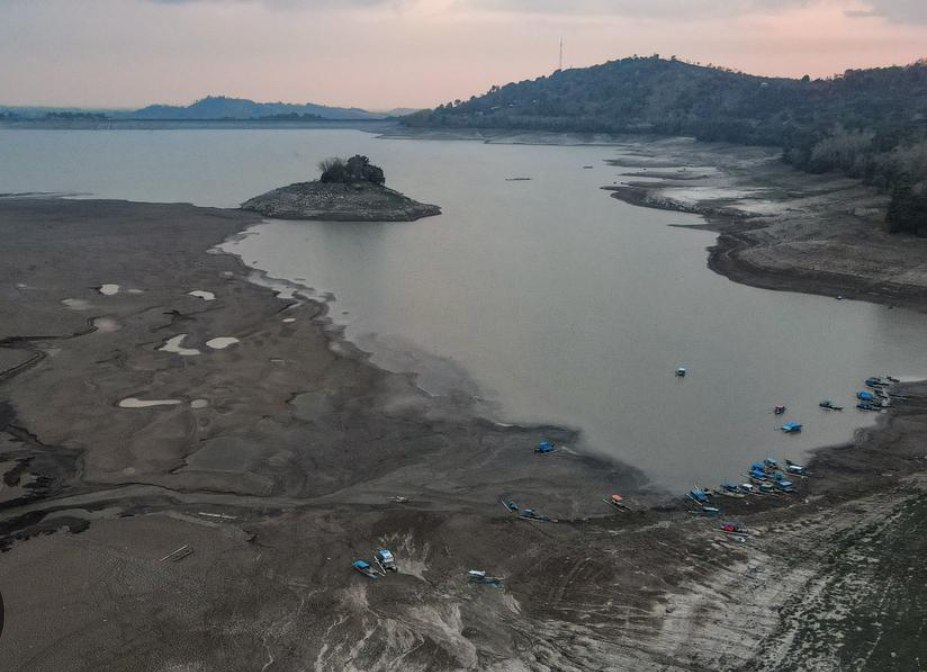
AgnesSensei.com — Pembangunan Bendungan Serbaguna Bili-Bili di Sungai Jeneberang, 31 km dari Kota Makassar di Provinsi Sulawesi Selatan, Indonesia, selesai pada tahun 1997.
Pembangunan bendungan dan pembentukan waduk mengharuskan relokasi 2.085 keluarga hingga tahun 2000.
Dari jumlah tersebut, 1.079 keluarga memilih pindah ke lokasi dekat waduk baru (di Kabupaten Gowa) dan 415 keluarga pindah ke tempat lain, sebagian besar ke daerah perkotaan.
Sisanya, sebanyak 591 keluarga, memilih untuk menerima tawaran lahan pertanian gratis dan sebuah rumah di kabupaten Mamuju atau Luwu melalui Program Transmigrasi Indonesia.
Kedua kabupaten tersebut terletak lebih dari 400 km dari permukiman asal. Ditemukan bahwa setelah relokasi awal, jumlah keluarga yang menetap di kedua kabupaten tersebut menurun secara signifikan.
Diduga banyak dari mereka kembali ke daerah sekitar waduk, karena semua peserta relokasi diizinkan untuk memilih.(*)
***
Effects of construction of the Bili-Bili Dam (Indonesia) on living conditions of former residents and their patterns of resettlement and return
Pengarang : Rampisela Dorotea Agnes, Mochtar S Solle, Adri Said, Ryo Fujikura
Tanggal terbit : 2009/9/1
Jurnal : International Journal of Water Resources Development
Jilid : 25
Terbitan : 3
Halaman : 467-477
Penerbit : Taylor & Francis Group
Deskripsi
Construction of the Bili-Bili Multi-purpose Dam on the Jeneberang River, 31 km from the city of Makassar in Indonesia’s province of South Sulawesi, was completed in 1997. The dam construction and creation of a reservoir necessitated the relocation of 2085 families by the year 2000. From among them, 1079 families chose to move to locations close to the new reservoir (in Gowa District) and 415 moved elsewhere, mostly to urban areas. The remaining 591 chose to accept an offer of free farmland and a house in the district of either Mamuju or Luwu under Indonesia’s Transmigration Programme. Both districts are located more than 400 km away from the original settlement. It was found that, after the initial relocation, the number of resettled families living in both districts dropped significantly. It is thought that many of them returned to the areas adjacent to the reservoir, because all resettlers were allowed to choose
Selengkapnya :